
Ninsei・Kenzan Style
While Kozan I was producing ceramic works for the foreign markets, he continued create works un the style of Ninsei and Kenzan for the domestic market throughout his life. In this chapter, we see these Ninsei and Kenzan style works of Kozan I.
Makuzu Chozo, the father of Kozan I excelled at Ninsei-style works and gained a reputation as a master potter in Kyoto. This technique was handed down in the Makuzu workshop over genertions. Kozan I, who produced a large numbed of ceramic for the tea-ceremony for the domestic market, also created ‘utsushi’ of Fdo master potteries, such as Ninsei and Kenzan. ‘Utsushi’ is not a simple imitation. ’Taught’ by the past masters, it is expected not only to copy the exterior, but also to learn the spirit of masuter’s work, but yet to add one’s own interpretation and flavor.
‘What my late father was especislly good at and praised for by professionals were Ninsei, Kenzan-style and iron-red and cobalt-blue paonted works (…)’. From Kozan II ‘s later recollection, we can see that these works by his father gained high acclaim at his time.
‘For the Ninsei-style were, his shill was almost tours de force.
Some said that it was copying Ninsei and outstripping the original’.
Cited from Makuzu Kozan collection (1920)
Nonomura Ninsei (date of birth and death unknown)
Considered as the founder of Kyo-yaki, or Kyoto pottery, Ninsei whose birth name is Seiemon, was a master potter of Edo period. His artist name, Ninsei is derived from ‘nin’ of Nin na-ji temple where his kiln was built in 1647, and ‘sei’ of Seiemon. Though Ninsei fascinated the nobles of his time with his gracious and elegant ceramic for tea-ceremony, his life is veiled in mystery. A large number or his works is designted as important cultural properties. Two are national treasures: ‘pheasant incense burner’ (Ishikawa Prefectural Art Museum) and ‘wisteria design tea-leaf jar’ (MOA museum), both in overglaze enamels.
Ogata Kenzan (1663-1743)
Related distantly to Hon’ ami Koetzu (considered as the Rimpa-school founder), Kenzan was the third son of a wealthy textile merchant, Karigane-ya and the younger brother of Ogata Korin (the great Rimpa artist). After studying pottery assiduously under Ninsei, Kenzan built his own kiln in 1699 aged 37 and thereafter took his artist name:’Kenzan’. He is known for his collaborative ceramic work painted by Korin and for his own creation of underglaze enamel potteres.
-
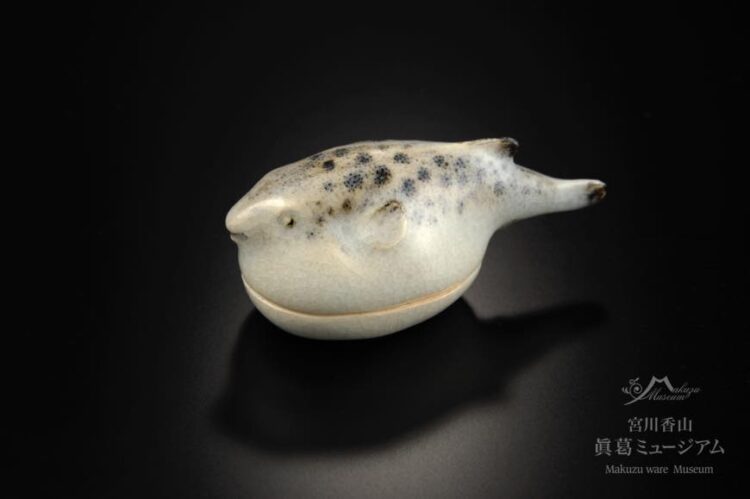 Blowfish-shaped incense container in style of Ninsei
 -
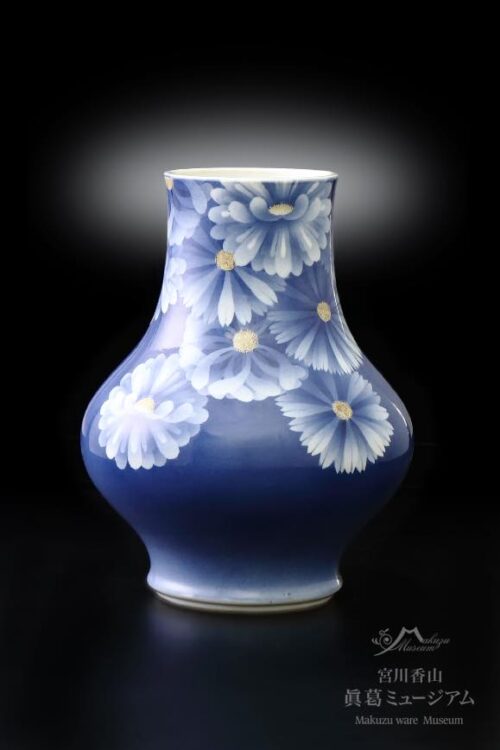 Vase with Flower Design in Underglaze
 -
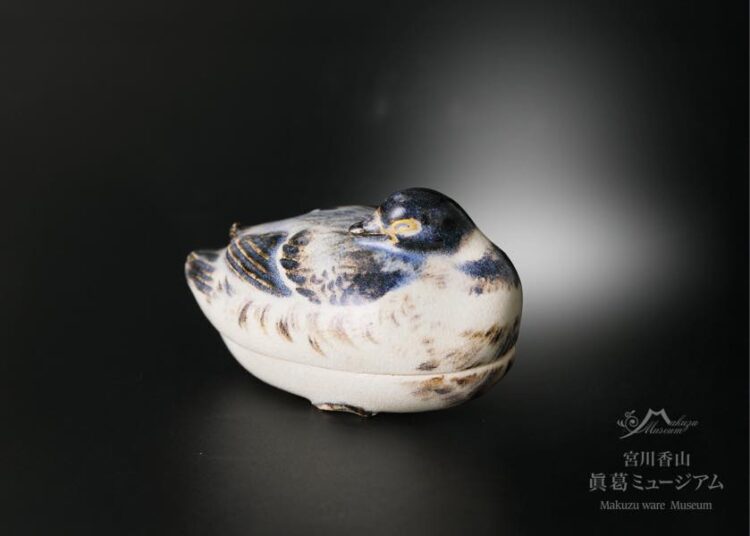 Duck-shaped Incense Container in the style of Ninsei
 -
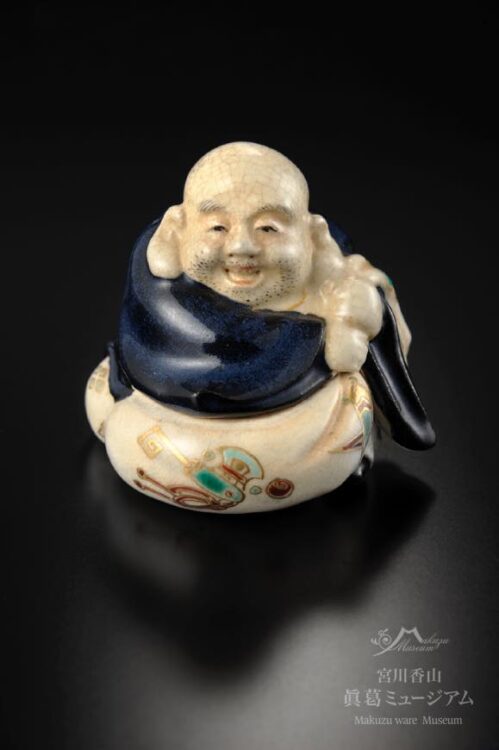 Hotei (one of the Seven Lucky Gods)-shaped Incense Container in the style of Ninsei
 -
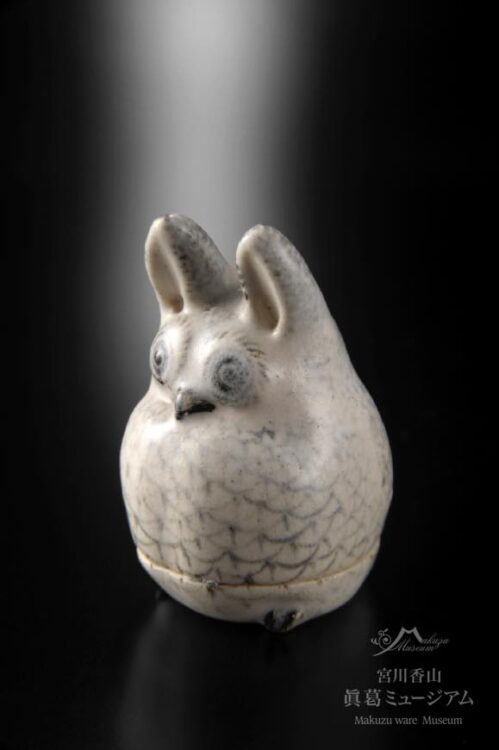 Horn Owl-shaped Incense Container in the style of Ninsei
 -
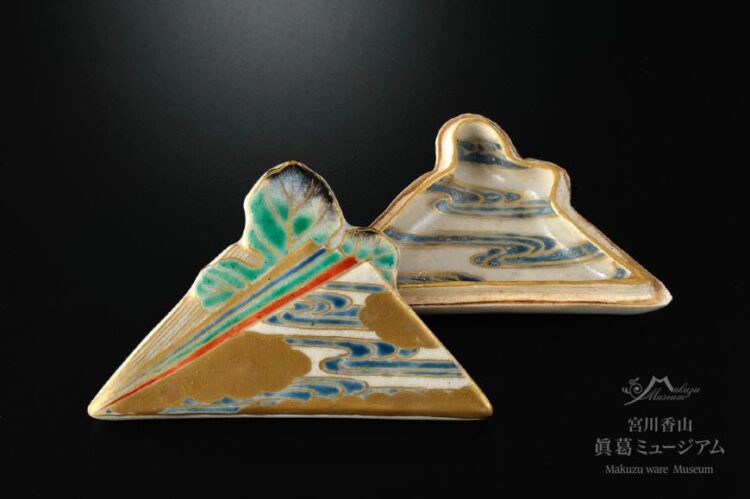 Tanabata-shaped Incense Container in the style of Ninsei
 -
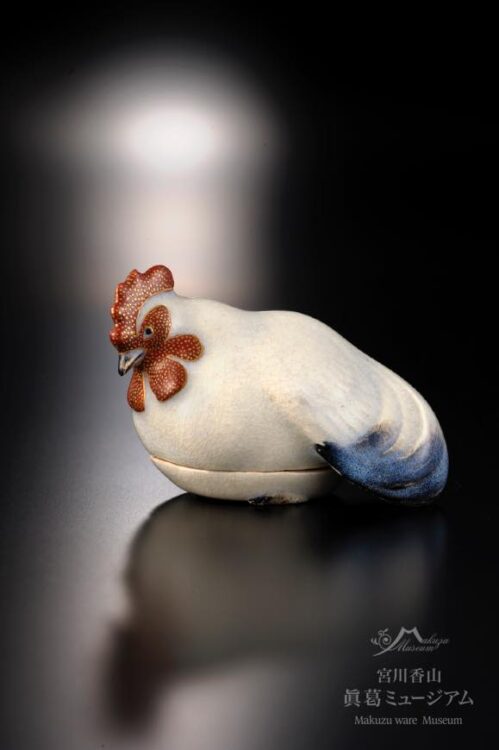 ChickenDuck-shaped Incense Container in the style of Ninsei
 -
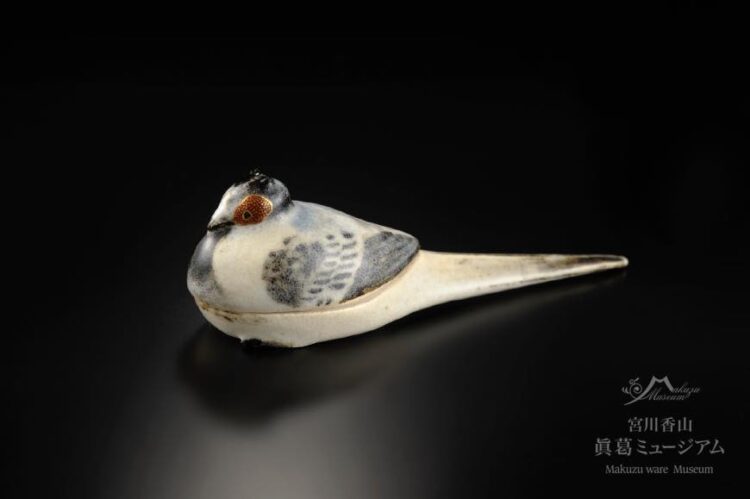 Pheasant-shaped Incense Container in the style of Ninsei
 -
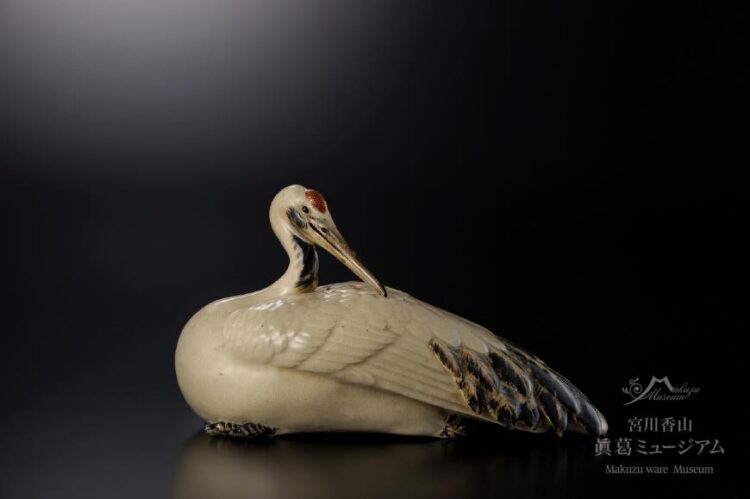 Crane-shaped Incense Container in the style of Ninsei
 -
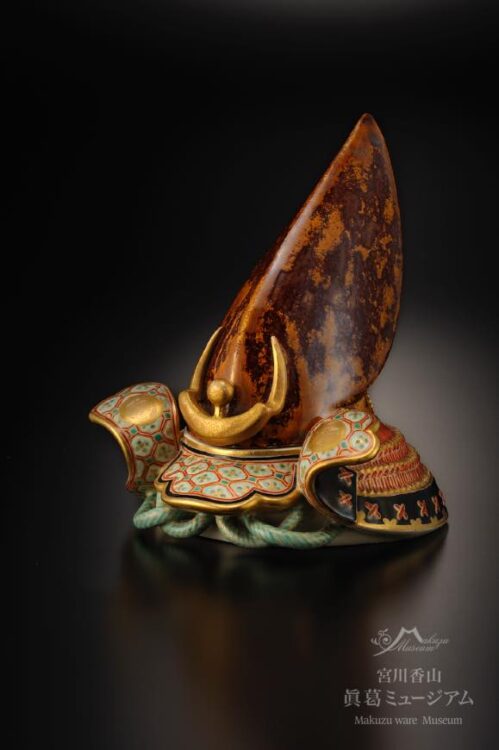 Helmet-Shaped Incense Burner, Makuzu Kiln
 -
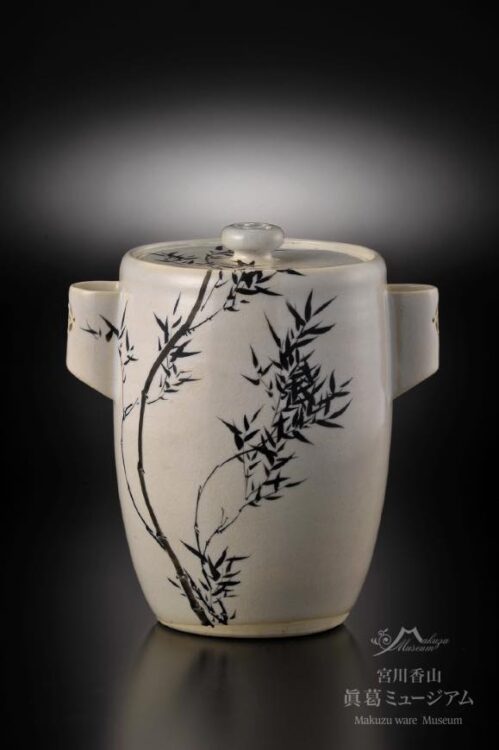 Water Jar in the Style of Ninsei, Painted by Kanzan
 -
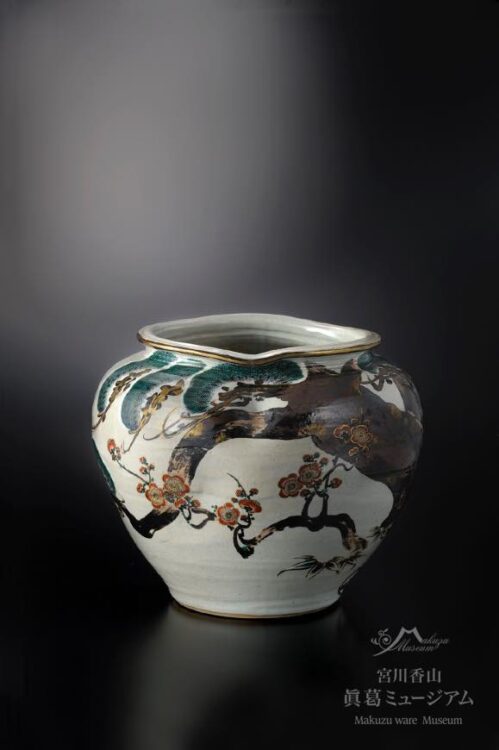 Large Vase Decorated with Auspicious Motifs of Pine, Bamboo, and Plum, in the Style of Kenzan
 -
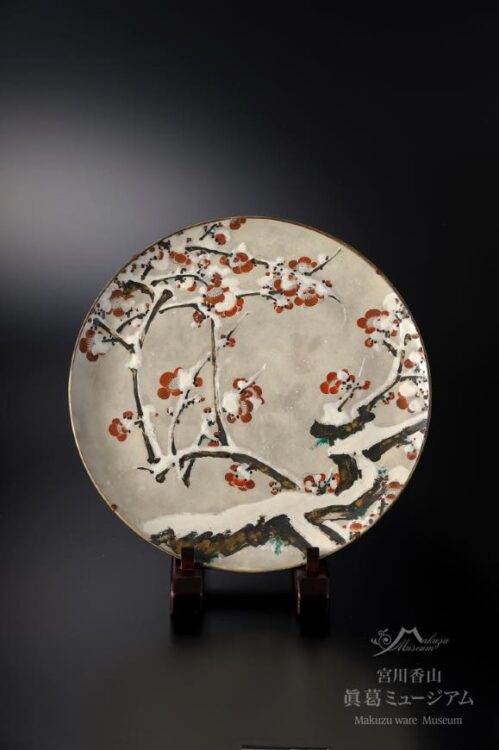 Dish with Plum Blossoms in Snow, in the Style of Kenzan
 -
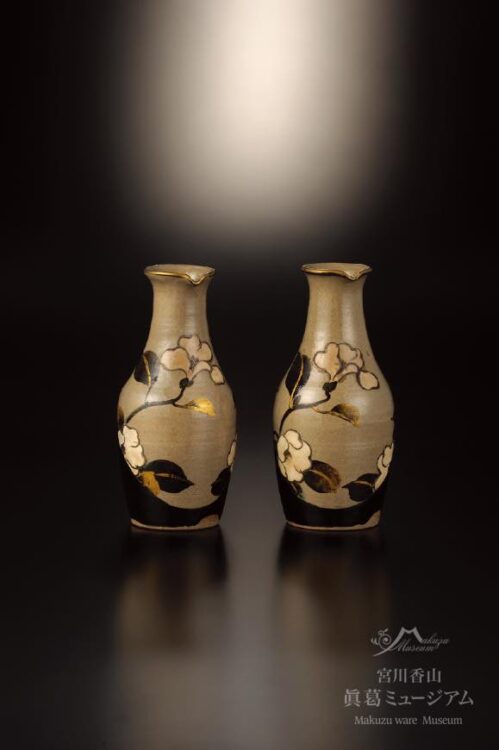 Pair of Sake Bottle in the style of Kenzan
 -
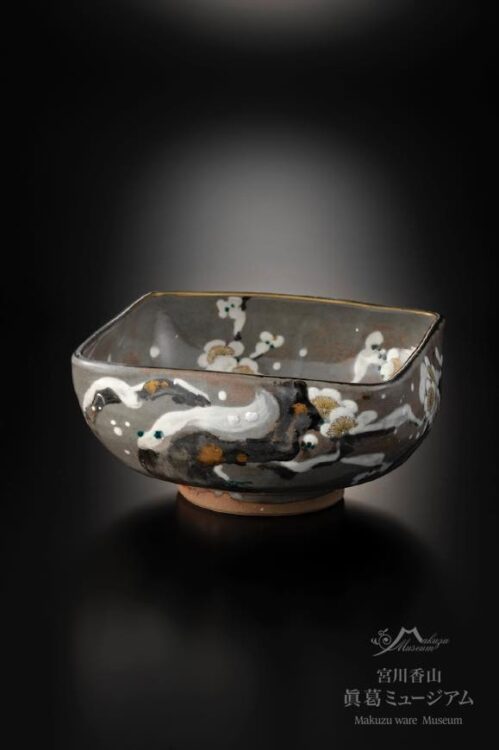 Sweets Bowl with Plum Blossoms Design in the style of Kenzan
 -
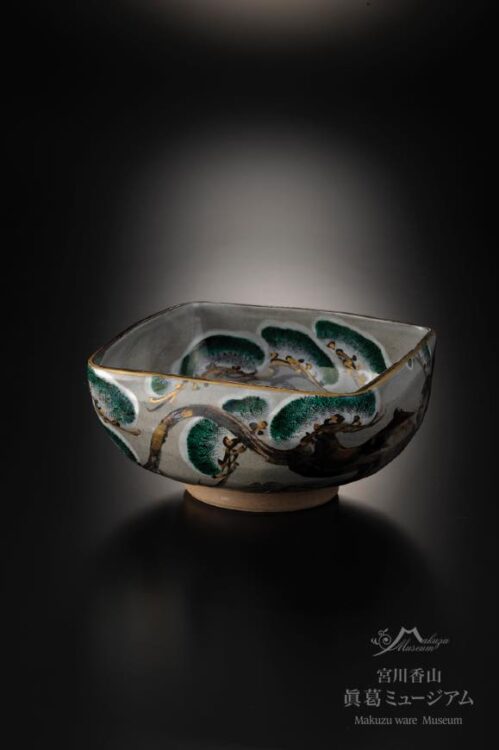 Sweets Bowl with Aged Pine Design in the style of Kenzan
 -
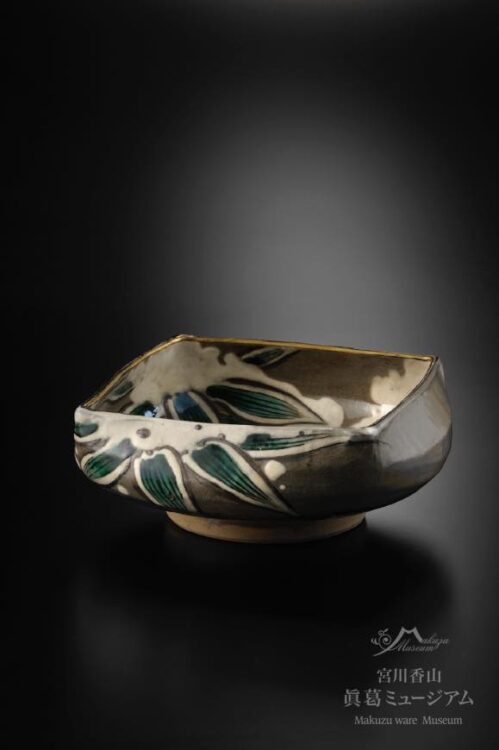 Sweets Bowl with Bamboo Design in the style of Kenzan
 -
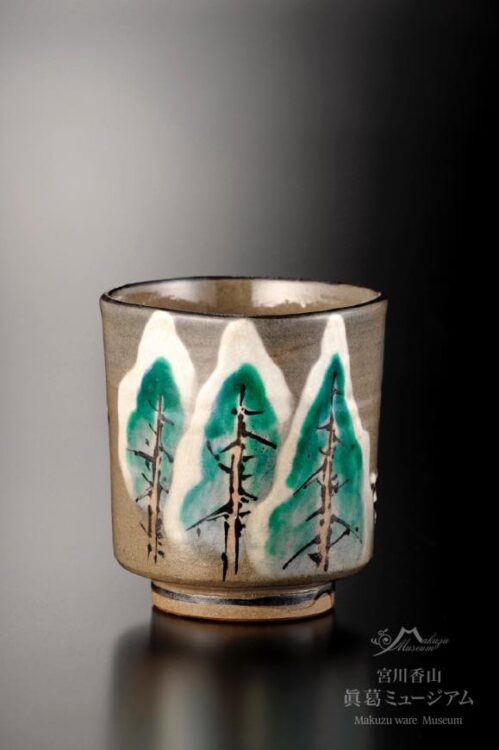 Teacup with Shrine-front Cedar Design in the style of Kenzan
 -
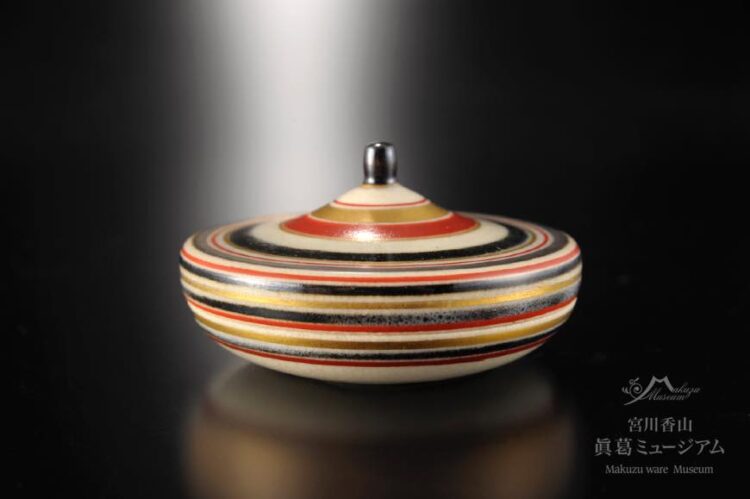 Spinning Top-shaped Incense Container in the style of Ninsei
 -
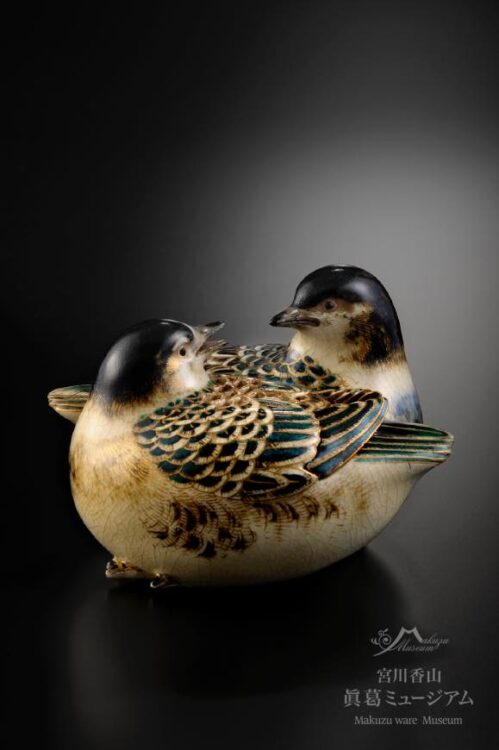 Pair of Birds-shaped Incense Container in the style of Ninsei
 -
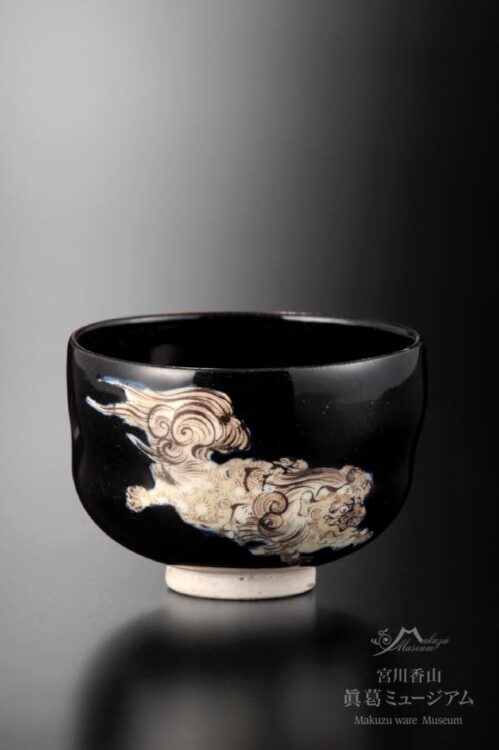 Black-Glazed Nodate Tea Bowl in the style of Ninsei
 -
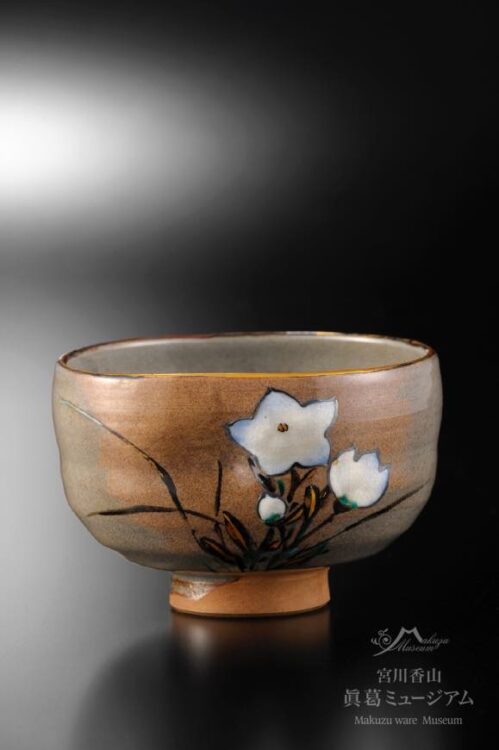 Bowl with Balloon Flower Design in the style of Kenzan
 -
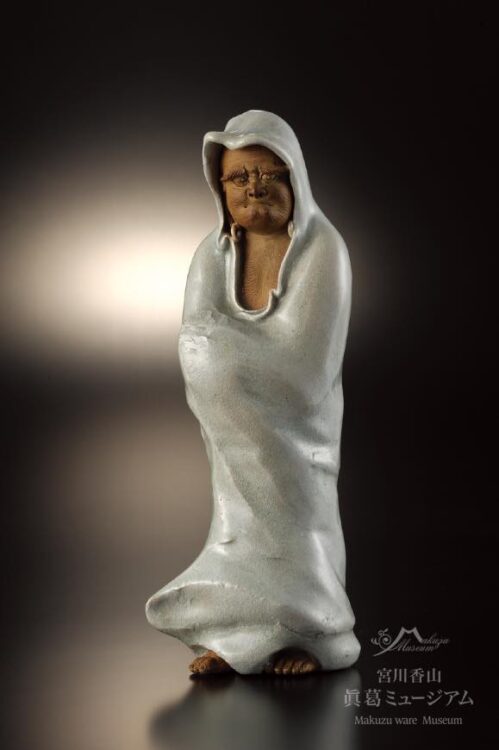 Daruma Statue-shaped Ornamentin the style of Ninsei
 -
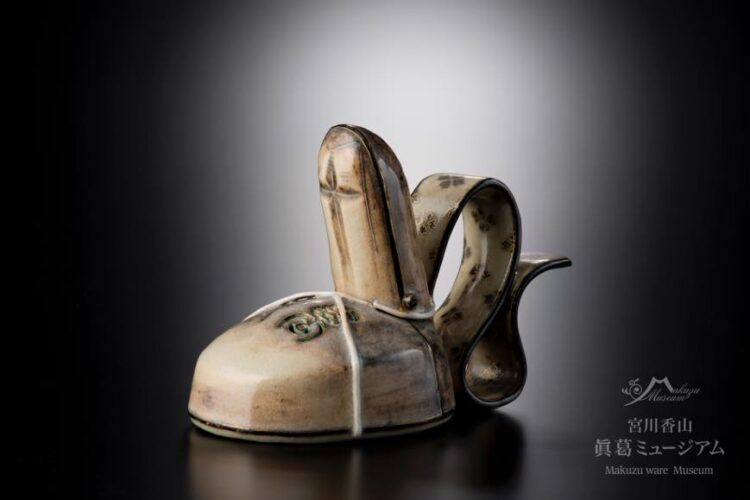 Headdress-shaped Incense Burner in the style of Ninsei
 -
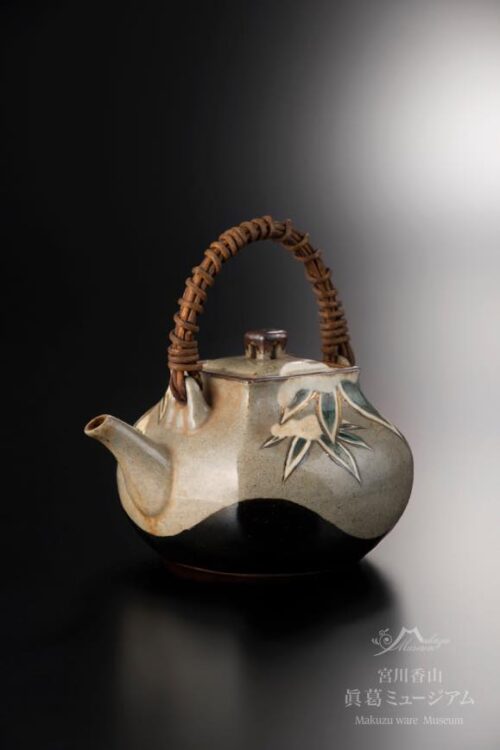 Bancha Tea Jar with Snow and Bamboo Design in the style of Kenzan
 -
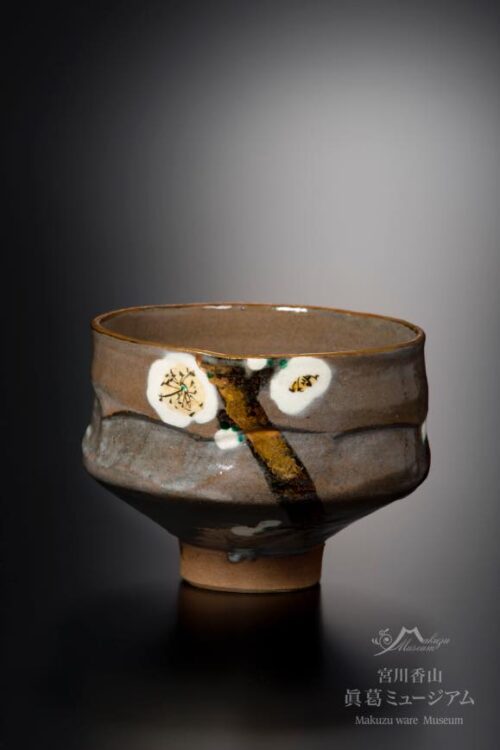 Teabowl with Plum Blossoms Design in the style of Kenzan
 -
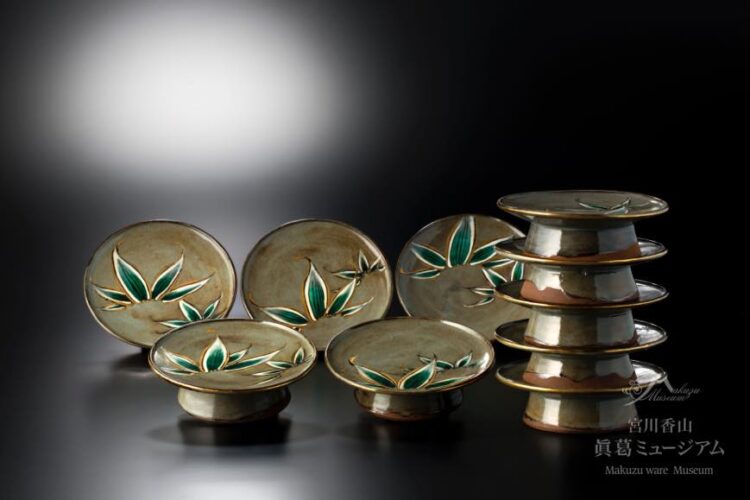 Dish With Bamboo Grass Design in the style of Kenzan
 -
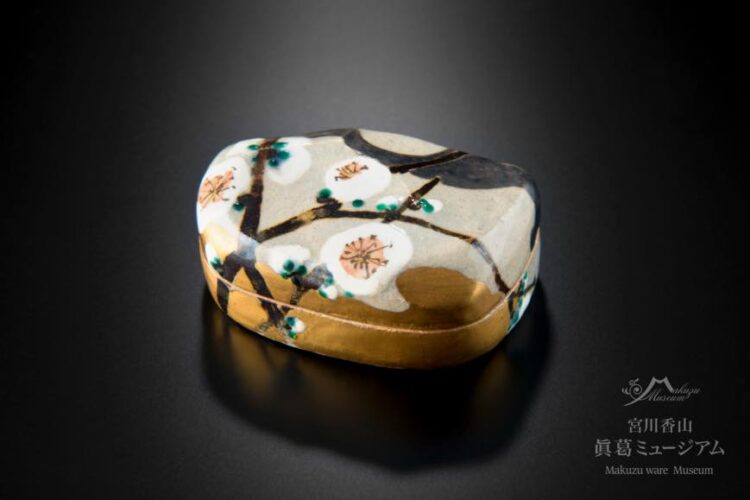 Incense Container with Plum Blossoms Design in the style of Kenzan
 -
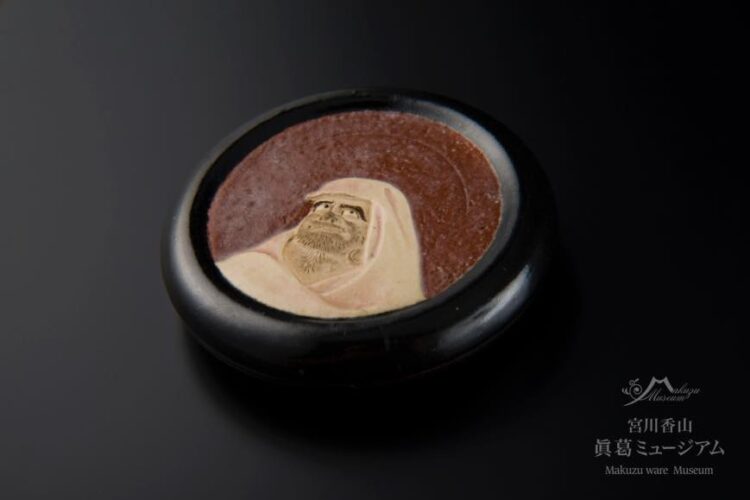 Incense Container with Daruma Design in the style of Ninsei
 -
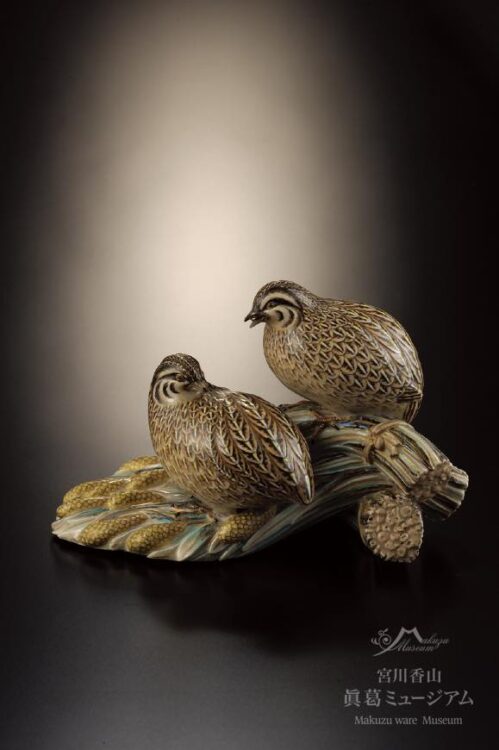 Quails and Foxtail millet-shaped Ornament in the style of Ninsei
 -
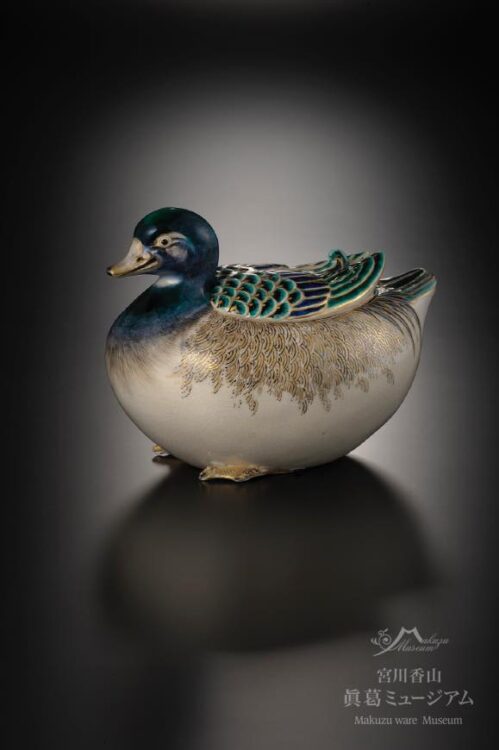 Duck shaped Incense Burner in the style of Ninsei
 -
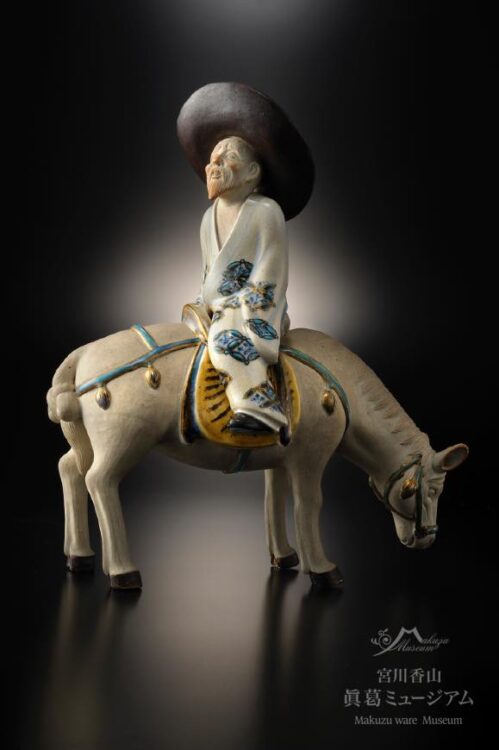 Su Dongpo-shaped Ornament in the Style of Ninsei
 -
 Sweet Dish in the Style of Nonomura Ninsei, “Chōkara,” Collaborative Work with Shimomura Kanzan
 -
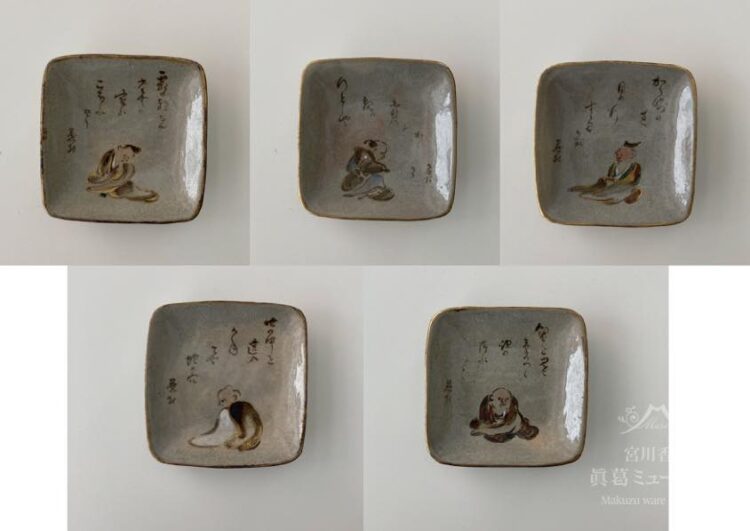 Small Dish, Makuzu Kiln, in the Style of Ogata Kenzan with Painting after Yosa Buson
 -
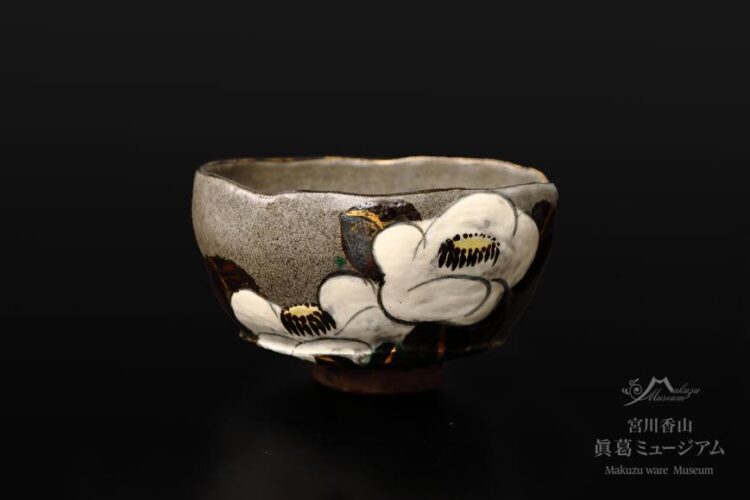 Tea Bowl with White Camellia Motif, after Ogata Kenzan
 -
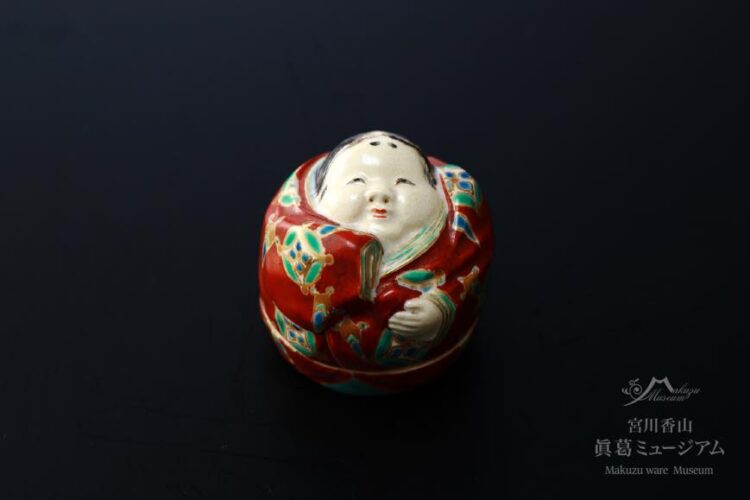 Kōgō (Incense Container) in the Form of Okame, in the Style of Nonomura Ninsei
 -
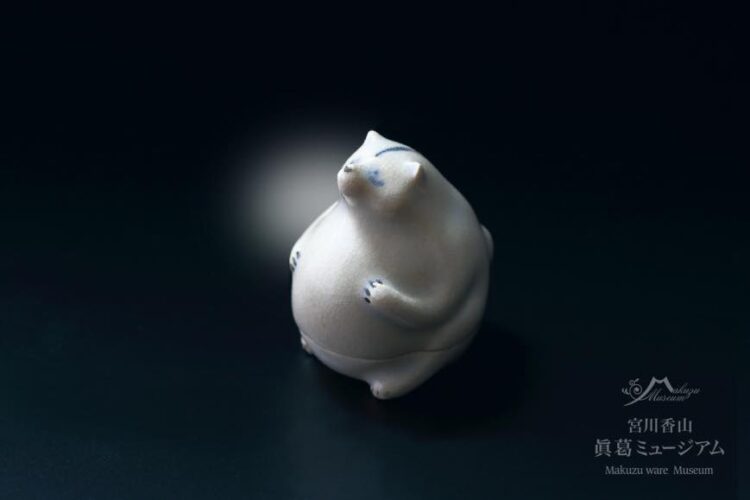 Tanuki Incense Container, in the Style of Ninsei
 -
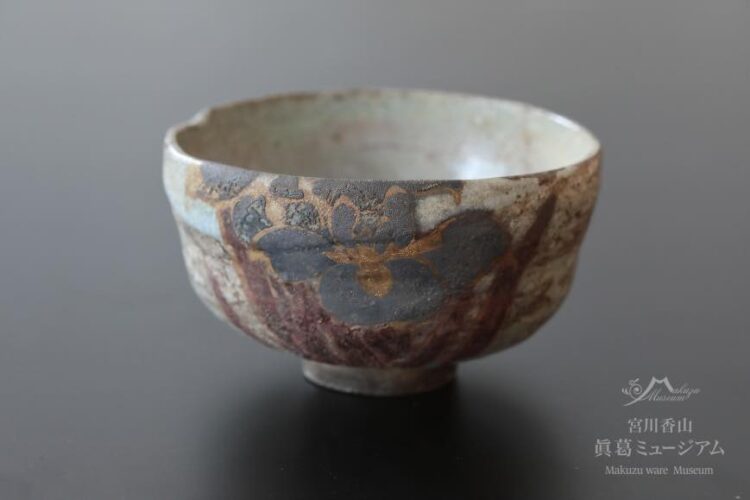 Tea Bowl with Iris Design in the Style of Kenzan
 -
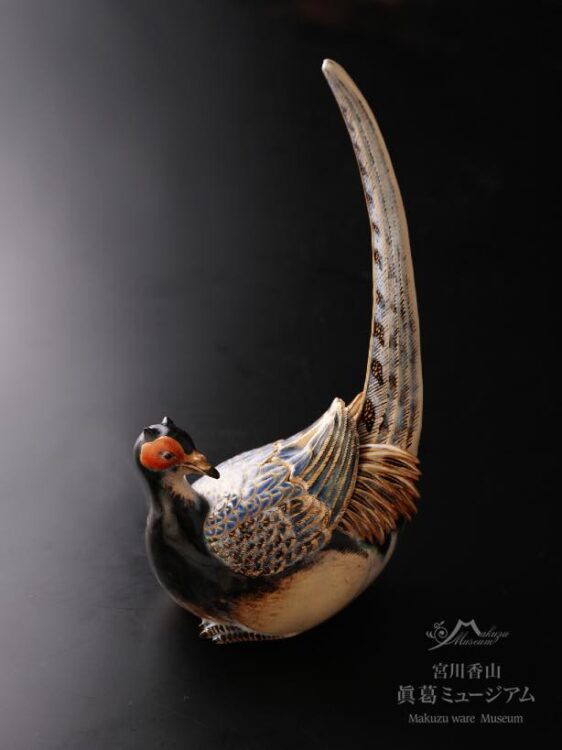 Incense Burner in the Form of a Pheasant, in the Style of Nonomura Ninsei
 -
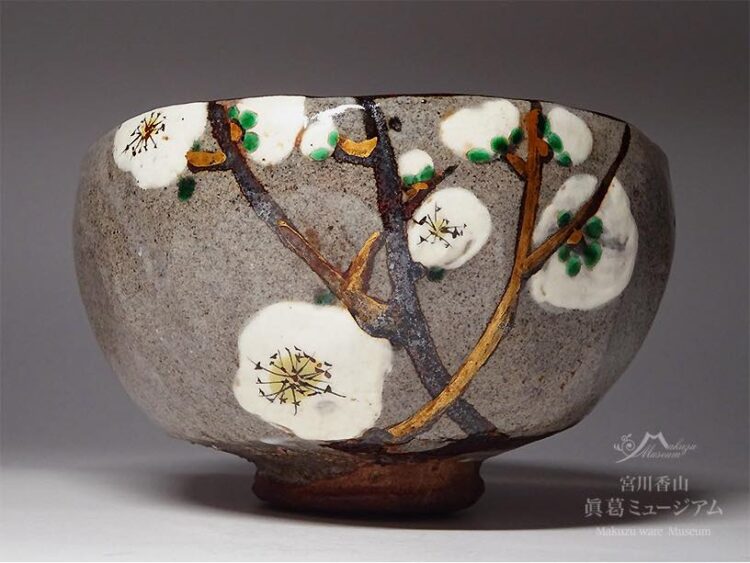 Chawan (Tea Bowl) with Plum Blossom Painting, after Ogata Kenzan